What you need to know about a Commercial Hood Installation
Commercial Kitchen Hood Installation: Step-by-Step Guide for Restaurant Owners
Everything You Need to Know About Installing a Commercial Kitchen Hood System
A properly installed commercial kitchen hood is one of the most important components of any restaurant, food truck, cafeteria, hotel kitchen, or commercial cooking facility. It protects employees, customers, and property by removing heat, smoke, grease, odors, and harmful airborne contaminants generated during cooking.
Understanding the installation process helps business owners make informed decisions, avoid costly mistakes, and ensure compliance with local building and fire codes.
What Is a Commercial Kitchen Hood?
A commercial kitchen hood is a ventilation system installed above cooking equipment such as:
Fryers
Grills
Charbroilers
Ranges
Woks
Ovens
Steam equipment
The hood captures grease-laden vapors, smoke, and heat and safely exhausts them outside the building.
Types of Commercial Hoods
Type I Hood
Designed for grease-producing appliances such as:
Deep fryers
Grills
Charbroilers
Griddles
Type I hoods require:
Grease filters
Exhaust fan
Fire suppression system
Grease ductwork
Type II Hood
Used for appliances producing heat, moisture, or odors but little or no grease, such as:
Dishwashers
Steamers
Ovens
Type II hoods generally do not require grease filtration.
Step 1: Site Evaluation and Kitchen Design
Before installation begins, a professional contractor performs a complete site assessment.
During this phase:
✅ Kitchen layout is reviewed
✅ Cooking equipment is identified
✅ Ventilation requirements are calculated
✅ Electrical and gas connections are verified
✅ Structural support requirements are determined
A properly designed system ensures efficient airflow and compliance with applicable codes.
Step 2: Engineering and Permit Process
Commercial hood installations typically require permits and inspections.
The project may involve:
Mechanical permits
Electrical permits
Fire permits
Building permits
Engineered drawings are often submitted to local authorities for approval before work begins.
This step helps ensure the system meets:
NFPA 96 requirements
Fire safety regulations
Mechanical code requirements
Local jurisdiction standards
Step 3: Installing Structural Supports
Commercial hoods can weigh hundreds of pounds.
Before the hood is installed:
Ceiling supports are inspected
Steel supports may be added
Mounting brackets are installed
Structural reinforcement is completed if needed
Proper support prevents movement, vibration, and long-term structural issues.
Step 4: Hood Installation
Once supports are ready, the hood is carefully positioned over the cooking equipment.
Technicians verify:
Proper height above appliances
Correct overhang dimensions
Level installation
Manufacturer specifications
Proper hood placement is critical for efficient smoke and grease capture.
Step 5: Grease Duct Installation
For Type I systems, grease ductwork is installed from the hood to the exterior discharge point.
This process includes:
Welding duct sections
Installing cleanout access doors
Fire-rated penetrations
Grease-tight construction
The duct system safely transports grease-laden air out of the building.
Step 6: Exhaust Fan Installation
The exhaust fan is typically mounted on the roof.
Its function is to:
Pull smoke from the hood
Remove heat from the kitchen
Exhaust grease vapors safely outdoors
The installation includes:
Roof curb installation
Fan mounting
Electrical connections
Weatherproof sealing
A properly sized fan ensures optimal airflow and system performance.
Step 7: Makeup Air System Installation
Many restaurant owners overlook the importance of makeup air.
As air is exhausted from the kitchen, fresh air must replace it.
The makeup air unit:
Supplies fresh outdoor air
Maintains proper building pressure
Improves employee comfort
Reduces HVAC strain
Without adequate makeup air, kitchens may experience:
Negative pressure
Poor hood performance
Difficult-to-open doors
Excessive heat buildup
Step 8: Fire Suppression System Installation
Most Type I hoods require an automatic fire suppression system.
The system includes:
Fire suppression nozzles
Detection links
Control panels
Manual pull stations
If a grease fire occurs, the system automatically activates and helps extinguish the fire before it spreads.
This is one of the most critical safety features in a commercial kitchen.
Step 9: Electrical and Control Connections
Licensed technicians connect:
Exhaust fan controls
Makeup air controls
Fire suppression interlocks
Lighting systems
Electrical disconnects
All components must work together for safe operation.
Step 10: Testing and Balancing
After installation, the system is tested.
Technicians verify:
✅ Proper airflow
✅ Fan operation
✅ Fire suppression activation
✅ Lighting functionality
✅ Makeup air performance
Air balancing ensures the hood captures contaminants efficiently.
Step 11: Final Inspection and Approval
The final phase includes inspections by local authorities.
Inspectors verify:
Fire code compliance
Mechanical code compliance
Electrical safety
Proper system operation
Once approved, the kitchen can begin operating legally and safely.
Why Professional Installation Matters
An improperly installed hood system can lead to:
❌ Fire hazards
❌ Failed inspections
❌ Poor ventilation
❌ Excessive energy costs
❌ Business interruptions
Professional installation ensures:
✔ Code compliance
✔ Fire safety
✔ Maximum equipment performance
✔ Better indoor air quality
✔ Long-term reliability
Trust Experienced Commercial Hood Professionals
Whether you’re opening a new restaurant, remodeling a kitchen, or replacing an existing ventilation system, proper hood installation is essential for safety and compliance.
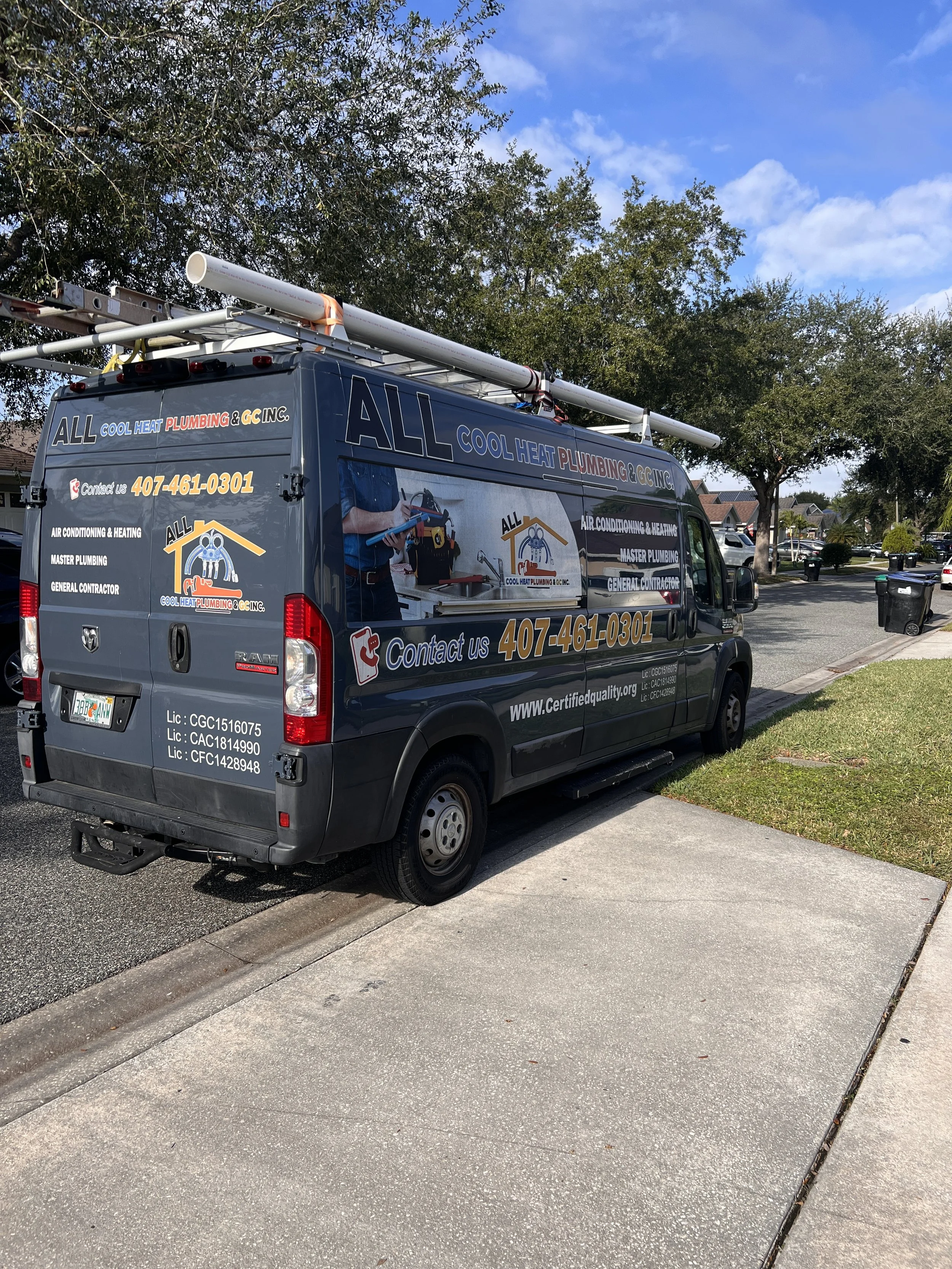
At All Cool Heat Plumbing & General Contractor Inc, we provide commercial kitchen hood installation, exhaust fan services, makeup air systems, fire suppression coordination, ventilation upgrades, and code-compliant solutions throughout Central Florida.
Need a Commercial Hood Installation or Inspection?
📞 Call 407-461-0301
Serving restaurants, hotels, cafeterias, food trucks, schools, healthcare facilities, and commercial kitchens throughout Apopka, Orlando, Kissimmee, Longwood, Winter Garden, Sanford, and surrounding Central Florida communities